Real-World Examples: How ISO 37001 Helped Firms Build Transparent Operations
Practical, easy-to-follow examples showing how ISO 37001 (Anti-Bribery Management System) supports transparency, ethical culture, and stronger governance.
Stronger trust: Clear controls and reporting channels improve credibility with stakeholders.
Better prevention: Risk assessments and due diligence reduce bribery exposure before problems occur.
Transparent operations: Defined approvals, audits, and reviews reduce hidden decisions and misconduct.
In today’s competitive business landscape, transparency and ethical practices separate successful organizations from the rest. ISO 37001 certification, also known as the Anti-Bribery Management System (ABMS) or anti-bribery certification, provides a structured framework to prevent, detect, and address bribery and corruption risks.
This comprehensive guide explores practical, real-world ways firms have benefited from ISO 37001. It uses easy language, avoids specific names or places, and focuses on actionable insights for building transparent operations.
Table of Contents
- Understanding ISO 37001 Anti-Bribery Management System
- How Companies Have Built Transparency Through ISO 37001
- Real Benefits Observed in Transparent Operations
- ISO 37001 Requirements in Practice
- Step-by-Step Implementation Insights from Successful Firms
- Latest Version: ISO 37001 2016 vs 2025 Changes
- Overcoming Common Implementation Challenges
- Long-Term Impact on Transparent Operations
- How to Get ISO 37001 Certification
- Conclusion: Transparency as a Competitive Advantage
- Frequently Asked Questions (FAQs)
Understanding ISO 37001 Anti-Bribery Management System
ISO 37001 is an international standard for establishing, implementing, maintaining, and improving an Anti-Bribery Management System (ABMS). It applies to organizations of all sizes and sectors, from manufacturing and construction to services, finance, and supply chains.
The standard focuses on reasonable and proportionate measures to combat bribery in both public and private sectors. It covers direct and indirect bribery, involving employees, business partners, or third parties.
Key components include
- Top management commitment and anti-bribery policy
- Risk assessment and due diligence processes
- Controls for gifts, hospitality, donations, and sponsorships
- Training and awareness programs for employees
- Reporting mechanisms, including whistleblower protections
- Monitoring, auditing, and continual improvement
Businesses pursuing anti-corruption certification use ISO 37001 to embed ethics into daily operations rather than treating compliance as a checkbox exercise.
How Companies Have Built Transparency Through ISO 37001
Many organizations have turned to ISO 37001 implementation to address corruption risks and foster a culture of openness. Here are generalized real-world examples of the positive changes observed:
A global manufacturing firm strengthens supply chain integrity
A company with extensive supplier networks faced risks from third-party intermediaries. After adopting the Anti-Bribery Management System, it conducted thorough due diligence on partners and introduced clear contractual clauses against bribery.
Transparency improved dramatically. Suppliers understood expectations, and the firm could quickly identify and resolve potential issues. This led to stronger partnerships, fewer disruptions, and greater confidence in the entire supply chain.
A construction company wins stakeholder trust
In an industry often associated with high corruption risks, one firm implemented ISO 37001 to manage project-related gifts, payments, and approvals. They established a dedicated anti-bribery function with clear responsibilities and independence.
Employees received regular training, and anonymous reporting channels encouraged early detection of concerns. Over time, the company noticed improved internal morale and external reputation. Clients and investors viewed it as a reliable partner committed to ethical standards.
A financial services provider enhances compliance culture
A banking and finance organization integrated ISO 37001 requirements into its existing governance framework. It focused on conflict of interest management and financial controls.
The result was a noticeable shift in organizational culture. Staff became more proactive about ethical decision-making, and leadership demonstrated visible commitment. This reduced internal risks and positioned the firm better for partnerships with institutions that prioritize integrity.
An export-oriented SME gains competitive edge
Small and medium enterprises often worry about the complexity of certification. One SME in the trading sector adopted a practical, scaled version of the standard. It focused on high-risk areas like customs clearance and international deals.
The ABMS helped the company document processes clearly, train its limited team effectively, and demonstrate strong controls to larger buyers. This opened doors to new business opportunities without major overhauls.
These examples show that ISO 37001 delivers value across different business scales and sectors by promoting proactive risk management and ethical behavior.
Real Benefits Observed in Transparent Operations
Organizations that successfully implement anti-bribery certification commonly report these outcomes:
- Enhanced detection and prevention: Systematic risk assessments and controls help spot bribery attempts early, minimizing potential damage.
- Stronger corporate culture: Ongoing training and leadership examples help employees internalize ethical values, improving transparency in decision-making.
- Improved due diligence: Checks on business associates and transactions build trust throughout operations.
- Better incident management: Clear investigation and corrective action processes ensure concerns are handled professionally and fairly.
- Stakeholder confidence: Certification signals commitment to integrity, reassuring customers, investors, partners, and employees.
One recurring theme in real cases is the shift from reactive rules to proactive ethics. Companies move beyond simply avoiding penalties to actively building a reputation for reliability.
ISO 37001 Requirements in Practice
To achieve meaningful transparency, firms focus on these core ISO 37001 requirements:
- Leadership commitment: Top management demonstrates visible support and allocates resources.
- Context of the organization: Understand internal and external bribery risks, including interested parties.
- Risk assessment: Identify, analyze, and prioritize bribery risks specific to the business.
- Controls and procedures: Implement proportionate measures for gifts, hospitality, conflicts of interest, and third-party relationships.
- Training and communication: Ensure personnel and relevant associates understand responsibilities.
- Performance evaluation: Conduct regular audits, reviews, and monitoring.
- Continual improvement: Use findings from incidents and audits to strengthen the system.
Businesses often start with a gap analysis against these requirements before full implementation.
Step-by-Step Implementation Insights from Successful Firms
Successful adopters generally follow a structured path for how to implement ISO 37001:
A practical implementation path
- Secure leadership buy-in: Begin with awareness sessions for executives.
- Assemble a cross-functional team: Include representatives from legal, HR, procurement, finance, and operations.
- Conduct comprehensive risk assessment: Map high-risk areas like procurement, sales, and regulatory interactions.
- Develop policies and procedures: Create practical documents tailored to the organization’s size and operations.
- Roll out training programs: Make sessions engaging and role-specific.
- Establish reporting channels: Ensure confidentiality and non-retaliation for whistleblowers.
- Perform internal audits: Identify weaknesses before external certification audits.
- Engage a certification body: Work with accredited ISO 37001 certification bodies for independent verification.
- Monitor and improve: Treat the system as a living framework that evolves with the business.
Many firms note that implementation becomes smoother when integrated with other management systems like quality or governance standards.
Latest Version: ISO 37001 2016 vs 2025 Changes
The standard was updated in 2025. While the core remains consistent, ISO 37001:2025 introduces enhancements for modern challenges.
Key updates include
- Stronger emphasis on anti-bribery culture and leadership-driven ethics
- Consideration of broader contextual factors, such as climate-related risks
- Clearer definition of the anti-bribery function with greater independence
- Enhanced guidance on conflict of interest management
- Better alignment with other ISO management system standards for easier integration
Organizations transitioning from the 2016 version benefit from these refinements, which support more proactive and integrated transparency efforts.
Overcoming Common Implementation Challenges
Firms that succeed often address these hurdles head-on:
- Perceived complexity: Start small, focus on high-risk areas, and scale gradually.
- Resource constraints: Leverage existing processes instead of building everything from scratch.
- Cultural resistance: Use leadership modeling and practical training to demonstrate benefits.
- Third-party management: Prioritize critical suppliers and partners first.
- Sustaining momentum: Schedule regular reviews and celebrate milestones in ethical achievements.
Real-world experience shows that viewing ISO 37001 as a business improvement tool leads to better results than treating it as a burden.
Long-Term Impact on Transparent Operations
Companies maintaining robust Anti-Bribery Management Systems often experience:
- Reduced internal fraud and misconduct incidents
- Smoother interactions with regulators and business partners
- Enhanced ability to attract and retain talent who value ethical workplaces
- Greater resilience against reputational risks
- Improved overall governance and decision-making quality
Transparency becomes embedded in the organizational DNA, supporting sustainable growth and ethical success.
How to Get ISO 37001 Certification
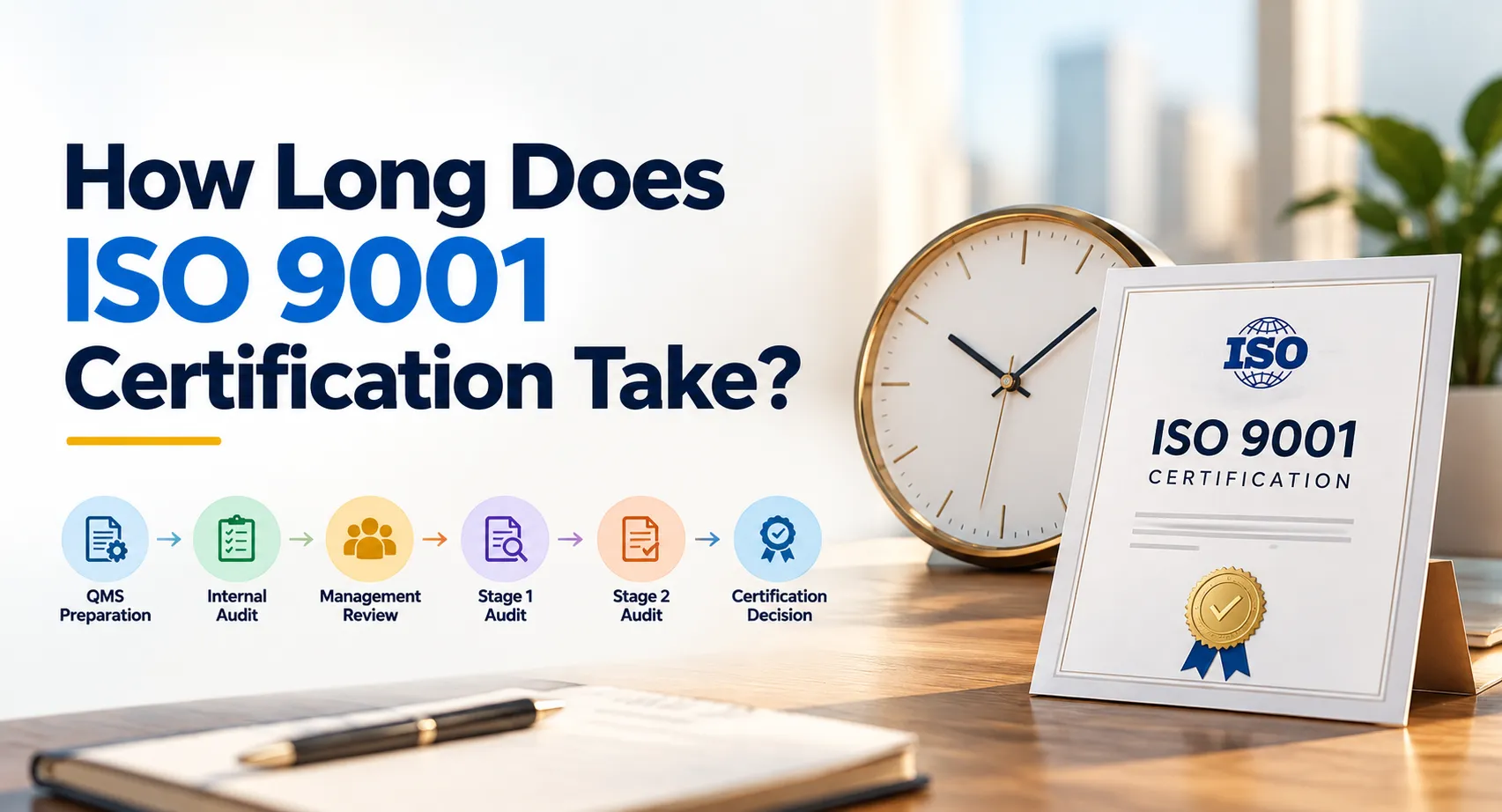
The path to ISO 37001 certification typically involves:
- Gap analysis and implementation
- Internal audits and management review
- Stage 1 and Stage 2 certification audits by an accredited body
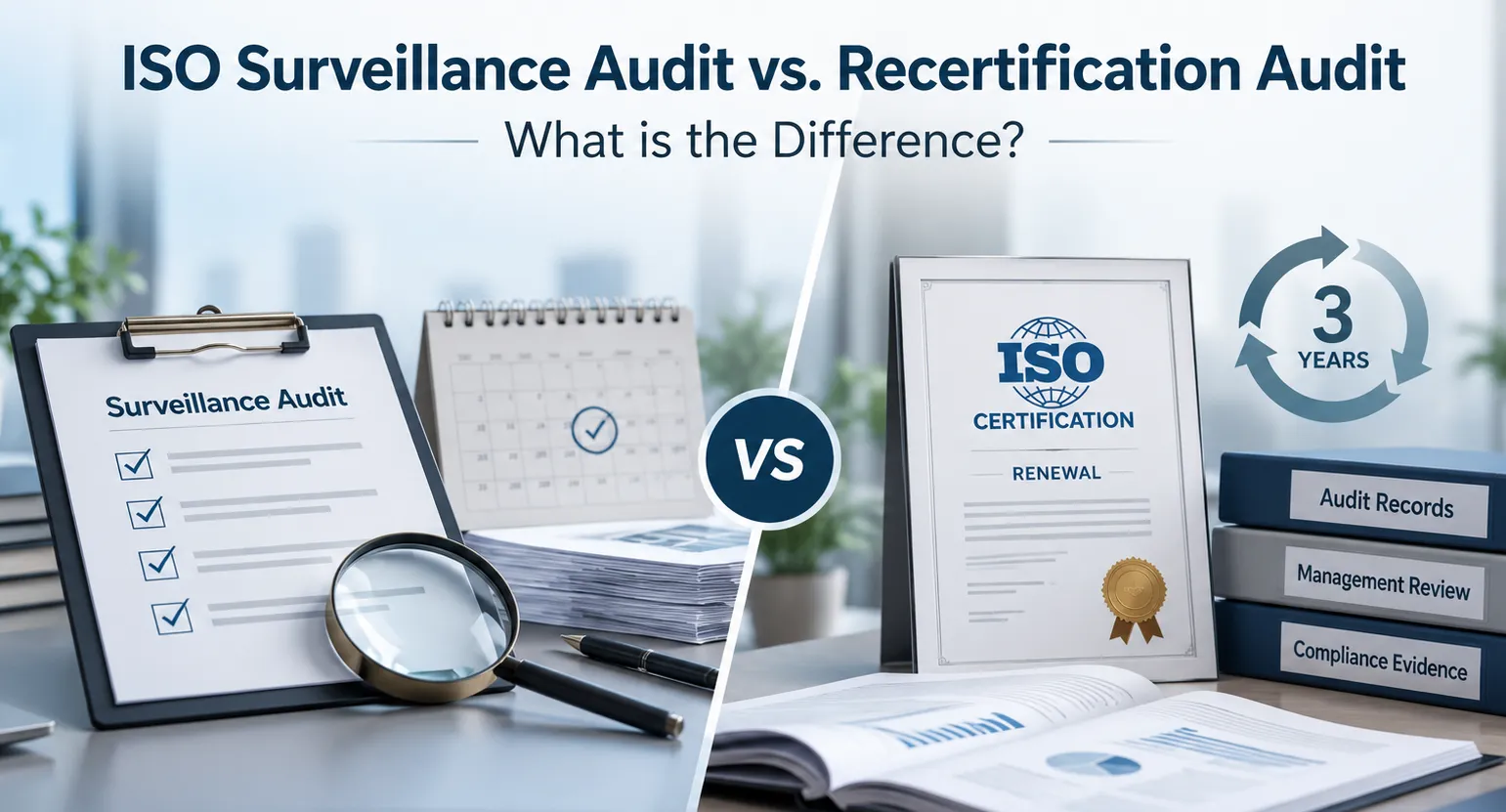
- Ongoing surveillance audits to maintain certification
Choose experienced ISO 37001 audit services and certification providers that understand your industry for a smoother process.
Conclusion: Transparency as a Competitive Advantage
ISO 37001 certification equips firms with practical tools to build genuinely transparent operations. From strengthened supply chains and ethical cultures to improved stakeholder trust, the benefits manifest in real business performance.
Whether you operate in manufacturing, services, finance, or international trade, adopting an Anti-Bribery Management System signals commitment to integrity in an increasingly scrutinized world. Transparent operations are not just good ethics — they are smart business.
Frequently Asked Questions (FAQs)
Ans) The 2025 version places greater emphasis on building a strong anti-bribery culture, clarifies the role of the anti-bribery function, adds guidance on conflicts of interest, and aligns better with other management standards while incorporating contextual factors like climate considerations.
Ans) No, it is voluntary. However, some clients, government tenders, or international contracts may require or strongly prefer it as proof of robust anti-bribery controls.
Ans) The timeline varies by organization size, complexity, and existing systems. Smaller firms may achieve certification in 6–12 months, while larger or high-risk organizations might need 12–24 months.
Yes. The standard is scalable. SMEs can implement proportionate controls focused on their specific risks and often see significant benefits in credibility and access to new markets.
Ans) It improves due diligence on suppliers, reduces third-party bribery risks, enhances transparency in transactions, and builds trust with partners who demand ethical compliance.