What is ISO 9001 and How It Improves Quality Management in Your Organization
In the world of business, trust is everything. When you buy a product or hire a service, you want to know it will work, be safe, and deliver what you paid for. Many organizations achieve this consistency using a powerful tool called the ISO 9001 Quality Management System (QMS).
What ISO 9001 does: Gives a structured way to manage processes so quality stays consistent.
Why it matters: Boosts customer trust, reduces waste, and improves efficiency.
Who can use it: Any organization: services, factories, hospitals, IT, NGOs, government.
Table of Contents
- What is ISO 9001? A Simple Explanation
- Why Do Companies Want It?
- The 7 Quality Management Principles in ISO 9001
- PDCA Cycle in ISO 9001
- Risk-Based Thinking
- ISO 9001 Requirements Explained (Clauses Overview)
- ISO 9001 Around the World
- Implementing ISO 9001: Simple Roadmap
- Why Choose Guardian Assessment?
- Conclusion
What is ISO 9001? A Simple Explanation
Imagine you are baking a cake. If you throw ingredients without measuring, the cake may taste different every time. But if you follow a recipe, measure carefully, and bake at the right temperature, you get a good result consistently.
ISO 9001 is like a “recipe” for your business. It sets rules for a Quality Management System (QMS). It does not tell you how to make your product, but it tells you how to manage the processes that create it.
It is created by the International Organization for Standardization (ISO), a global body that develops international standards to improve safety, efficiency, and reliability.
- Consistently provide products and services that meet customer and regulatory requirements.
- Enhance customer satisfaction through effective application of the system.
ISO 9001 is not only for factories. Restaurants, software companies, hospitals, government offices, and non-profits can all apply it.
Why Do Companies Want It?
Companies do not pursue certification just to hang a certificate. They do it because it creates real business value:
Trust: Shows customers and stakeholders you take quality seriously.
Efficiency: Improves processes, reduces rework, and cuts waste.
Growth: Many large clients prefer or require ISO 9001-certified suppliers.
When you see a company with Guardian ISO 9001 certification, it means an independent expert has reviewed their system and verified they are following a structured approach to deliver consistent quality.
The 7 Quality Management Principles in ISO 9001 in Detail
The ISO 9001 standard is built on seven core principles. These are not just rules, they shape the mindset of quality management.
1) Customer Focus
Meet customer requirements and strive to exceed expectations.
- Meaning: Ask for feedback, measure satisfaction, anticipate future needs.
- Benefit: Loyal customers and strong reputation.
2) Leadership
Leaders create unity of purpose and a culture where quality matters.
- Meaning: Quality starts at the top; leaders provide direction and resources.
- Benefit: Clear goals and less confusion.
3) Engagement of People
Competent and empowered people build better systems and results.
- Meaning: Involve teams at every level; respect their input and train them.
- Benefit: Motivation, ownership, and better problem-solving.
4) Process Approach
Manage activities as connected processes to get predictable results.
- Meaning: View work as a flow (order → design → production → delivery).
- Benefit: Fewer bottlenecks, lower costs, faster delivery.
5) Improvement
Ongoing improvement keeps organizations competitive and adaptable.
- Meaning: You are never “done”; improve daily and innovate when needed.
- Benefit: Better performance and resilience.
6) Evidence-Based Decision Making
Use data, not guesses, to solve problems and improve outcomes.
- Meaning: Track metrics like defects, returns, complaints, satisfaction.
- Benefit: Smarter decisions that actually fix root causes.
7) Relationship Management
Strong relationships with suppliers and partners support stable results.
- Meaning: Manage supplier performance and treat partners as stakeholders.
- Benefit: Reliable supply chain and fewer disruptions.
PDCA Cycle in ISO 9001: The Key to Continuous Improvement
ISO 9001 uses the PDCA cycle (Plan–Do–Check–Act) to keep improving performance.
Plan
- Set objectives
- Define processes
- Plan resources
- Identify risks & opportunities
Do
- Implement the plan
- Deliver products/services
- Follow documented procedures
Check
- Monitor & measure
- Compare against requirements
- Review results and data
Act
- Correct problems
- Fix root causes
- Raise targets when achieved
Risk-Based Thinking: Preventing Problems Before They Start
Modern ISO 9001 emphasizes risk-based thinking. Instead of relying only on inspection, it focuses on prevention by asking “What if?” before issues happen.
Examples of risk questions
- What if our main supplier shuts down?
- What if a key machine breaks?
- What if customer requirements change suddenly?
Risk-based thinking also includes opportunities, for example: “What if we adopt new technology to improve speed?”
ISO 9001 Requirements Explained: The Clauses Overview
ISO 9001 requirements are organized into a “high level structure” (same structure used in many ISO management standards), making it easier to integrate with other systems later.
| Clause | What it means (simple) |
|---|---|
| 4: Context | Understand your environment, stakeholders, and business needs. |
| 5: Leadership | Top management drives quality, policy, roles, and direction. |
| 6: Planning | Set objectives, manage risks/opportunities, plan changes. |
| 7: Support | Resources, people, training, competence, communication, knowledge. |
| 8: Operation | Deliver the product/service; control suppliers; handle nonconformities. |
| 9: Performance Evaluation | Measure performance, do internal audits, and management review. |
| 10: Improvement | Corrective actions and continual improvement. |
ISO 9001 Around the World: Impact Across All 7 Continents
ISO 9001 is a global standard used in every region. It helps organizations improve consistency and meet international expectations.
Antarctica: No permanent business community, but research stations often apply ISO 9001-style controls to keep operations safe and reliable in extreme conditions.
Authoritative Guide to ISO 9001: Implementing the System
Here is a simplified roadmap you can follow to implement ISO 9001.
- Gap Analysis: Compare current practices vs ISO 9001 requirements and find gaps.
- Plan: Create a project plan with roles, timelines, and responsibilities.
- Document: Write key procedures and process “recipes” (keep it practical, not bulky).
- Train: Train staff and explain what ISO 9001 means for daily work.
- Run the System: Start operating as per the defined processes.
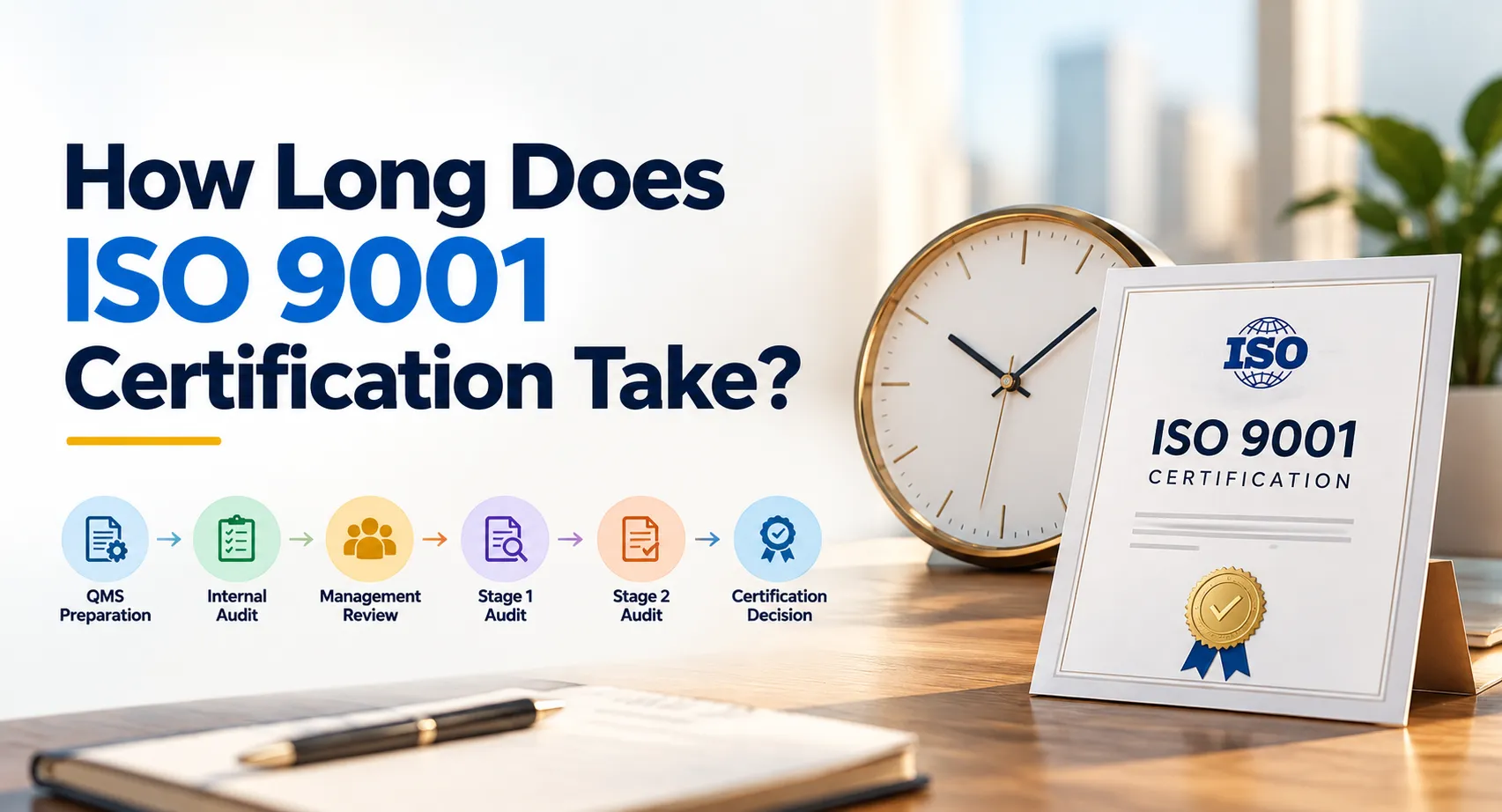
- Internal Audit: Check if teams are following the system and identify improvements.
- Management Review: Leadership reviews data and makes improvement decisions.
- Certification Audit: External audit by a certification body.
Why Choose Guardian Assessment?
Choosing the right certification body matters. You want a partner that is professional, educational, and practical.
- Guardian ISO 9001 explained: Focus on understanding and value, not just box-ticking.
- Experienced auditors: Auditors with industry knowledge and practical approach.
- Recognized certification: Helps build credibility with customers and partners.
- Service mindset: Applies quality principles to customer experience.
- Verification support: Helps you verify that your system is robust and effective.
Why ISO 9001 Is the Smart Choice for Your Organization Now
ISO 9001 is more than a certificate. It is a strategic decision that puts quality at the center of your operations. It improves how you work, how you lead, and how you satisfy customers.
From the 7 quality management principles to the PDCA cycle and risk-based thinking, every part of ISO 9001 is designed to drive continual improvement.
Final Note
At its core, ISO 9001 is about doing the right things, in the right way, every single time. With the right guidance and commitment, the journey becomes smoother and the benefits last long-term.
Frequently Asked Questions about ISO 9001
Ans) Think of ISO 9001 as a globally trusted recipe for running a business well. It's the international standard for an effective ISO 9001 quality management system (QMS). This "recipe" provides a clear framework to help a company consistently deliver great products and services, ensuring customers are happy and legal requirements are met. It’s a way to build trust and show you are committed to quality.
Ans) ISO 9001 improves quality management by giving a business a structured way to work better. It helps you focus on your customers, manage your work as smooth processes, and use risk-based thinking to stop problems before they happen. By using tools like the PDCA cycle ISO 9001, your company learns to constantly improve, which leads to less waste, better efficiency, and consistently high-quality results every time.
Ans) The seven ISO 9001 principles are the core ideas that guide the entire system. They are:
- Customer Focus: Putting your customer’s needs first.
- Leadership: Having strong leaders who guide the team.
- Engagement of People: Involving everyone in quality efforts.
- Process Approach: Managing work as connected steps.
- Improvement: Always looking for ways to get better.
- Evidence-Based Decision Making: Using facts, not guesses, to make choices.
- Relationship Management: Building strong relationships with partners like suppliers.
Ans) The PDCA cycle ISO 9001 (Plan-Do-Check-Act) is a simple but powerful tool for continuous improvement. Here’s how it works:
- Plan: Set a goal and create a plan to achieve it, considering any risks.
- Do: Carry out the plan and implement the process.
- Check: Monitor your results to see if the plan worked.
- Act: If it worked, make it a new standard. If not, figure out what went wrong and adjust. This cycle ensures your business is always getting better.
Ans) Risk-based thinking in ISO 9001 is about being proactive instead of reactive. It means your organization looks ahead to identify potential problems (risks) and positive possibilities (opportunities). By understanding these in advance, you can plan to prevent issues from happening and take advantage of chances to improve. This approach, verified by partners like Guardian Assessment, helps ensure your quality management system stays effective and resilient.