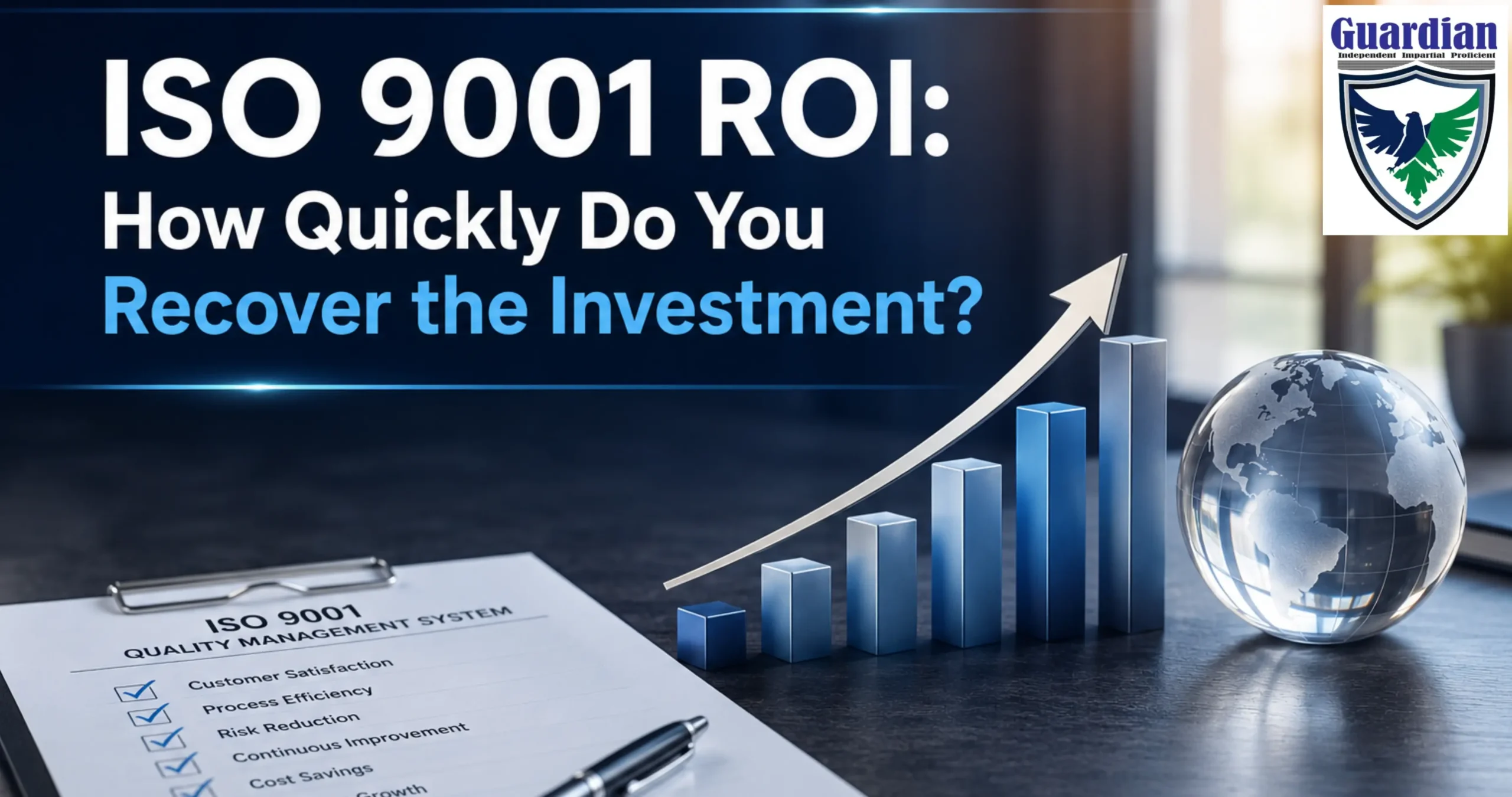
ISO 9001 ROI: How Quickly Do You Recover the Investment?
A practical guide to ISO 9001 return on investment, payback timeline, and strategies to maximize value without relying on fixed figures.
Cost control: Lower waste, fewer defects, and less rework improve margins.
Revenue impact: More trust and eligibility for contracts supports growth opportunities.
Risk reduction: Proactive controls reduce surprises and operational disruption.
In today’s competitive business world, organizations constantly look for ways to improve operations, build customer trust, and boost profitability. Implementing a strong Quality Management System (QMS) through ISO 9001 certification stands out as a proven approach. Many leaders wonder about the real ISO 9001 ROI, specifically how quickly they can recover the investment and start seeing net gains.
This comprehensive guide explores the return on investment for ISO 9001:2015 certification (the latest widely adopted version). It explains what drives costs and benefits, realistic timelines for recovery, and practical strategies to maximize value. The focus stays on clear, decision-ready insights without using fixed figures or location-based claims.
Table of Contents
- Understanding ISO 9001 and Its Role in Quality Management
- Breaking Down the Investment in ISO 9001 Certification
- How ISO 9001 Drives Financial and Operational Returns
- Realistic Timeline: How Quickly Do You Recover the Investment?
- Factors That Influence Your ISO 9001 ROI
- Strategies to Maximize ROI from ISO 9001 Certification
- Common Challenges and How to Overcome Them for Better ROI
- Real-World Patterns of Success
- Conclusion: Is ISO 9001 Worth the Investment?
- Frequently Asked Questions (FAQs)
Understanding ISO 9001 and Its Role in Quality Management
ISO 9001 is the international standard for quality management systems. It provides a framework to ensure consistent product and service quality, meet customer expectations, and drive continual improvement. The ISO 9001 requirements focus on process-based thinking, risk management, leadership involvement, and evidence-based decision making.
A well-implemented QMS certification turns quality from a departmental task into a company-wide culture. It helps organizations align resources, reduce inconsistencies, and respond better to market changes. This foundation directly supports strong ROI by creating measurable improvements in efficiency and customer satisfaction.
Key ISO 9001 requirements checklist elements that support ROI
- Defining clear processes and responsibilities
- Managing risks and opportunities
- Monitoring and measuring performance
- Ensuring customer focus and feedback loops
- Promoting continual improvement
Businesses pursuing accredited ISO 9001 certification from reputable bodies gain credible proof of their commitment to quality, which can improve trust and internal discipline.
Breaking Down the Investment in ISO 9001 Certification
Every business investment has upfront and ongoing elements. With ISO 9001 certification, costs generally fall into categories like preparation, training, documentation, audits, and maintenance. The exact amount varies by organization size, complexity, number of sites, and industry needs, but the structure remains similar across most organizations.
Typical investment areas
- Gap analysis and initial planning
- Developing or updating documentation and procedures
- Staff training and awareness programs
- Internal audits and management reviews
- External certification audits and surveillance audits
- Ongoing maintenance, recertification every three years, and continual improvement activities
ISO 9001 recertification keeps the system fresh and relevant, ensuring long-term value. While these represent real commitments, many organizations view them as strategic investments because they lay the groundwork for efficiency gains and new opportunities.
How ISO 9001 Drives Financial and Operational Returns
The true power of ISO 9001 certification lies in the benefits that generate returns. A robust quality management system reduces waste, prevents problems, and improves overall performance, leading to both direct cost savings and revenue growth.
Major ways ISO 9001 contributes to ROI
- Enhanced operational efficiency: Streamlined processes cut unnecessary steps, reduce downtime, and optimize resource use. Teams spend less time fixing issues and more time on value-adding activities.
- Reduced waste and defects: Better process controls minimize errors, scrap, rework, and returns, lowering operational costs and improving margins.
- Improved customer satisfaction and loyalty: Consistent quality builds trust. Satisfied customers return more often and provide referrals, reducing the cost of acquiring new business.
- Better risk management: Proactive identification of risks and opportunities prevents costly surprises and supports confident decision-making.
- Access to new markets and opportunities: Many tenders, contracts, and partnerships require or prefer ISO 9001 certification, signaling reliability to buyers.
- Stronger supplier and employee relationships: Clear processes improve supplier collaboration and boost employee engagement through defined roles and training.
- Data-driven continual improvement: Monitoring and analysis help identify trends early, allowing quick adjustments that compound over time.
These benefits compound. Early wins in efficiency often appear during implementation, while larger gains in revenue and reputation build after certification.
Realistic Timeline: How Quickly Do You Recover the Investment?
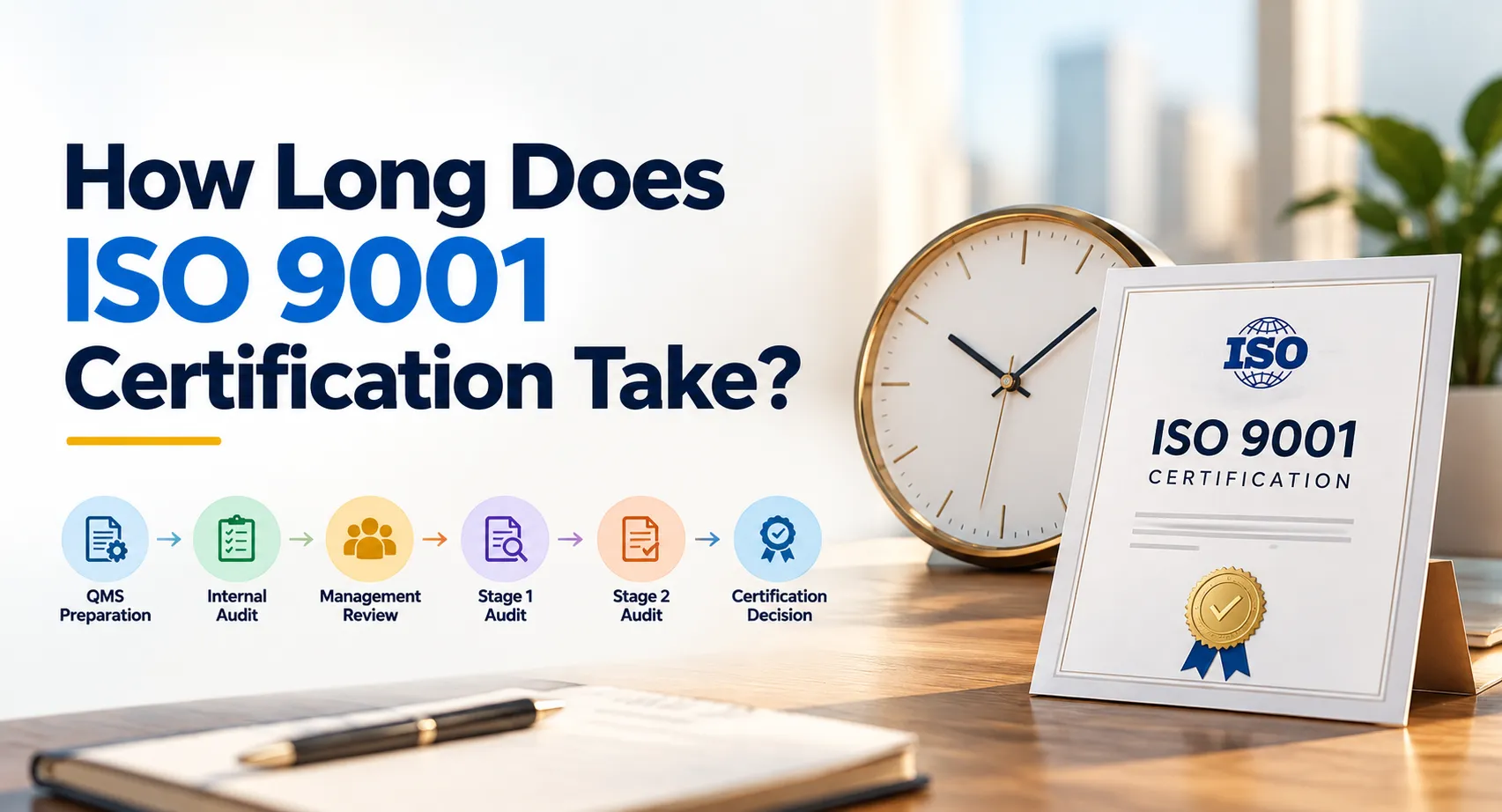
A common question is the payback period for ISO 9001 ROI. While every organization differs, many see initial returns during or shortly after implementation, with full recovery often occurring within a practical timeframe as efficiencies and opportunities materialize.
Typical phases of ROI realization
- During implementation: Gap analysis and process improvements frequently uncover quick wins, such as reduced duplication or faster workflows. Training also boosts capability, supporting immediate productivity improvements.
- Post-certification: Reduced defects and better feedback start lowering costs. Some organizations also win new contracts or improve retention when the certificate demonstrates credibility.
- Full payback and net gains: Over time, cumulative savings from efficiency, lower waste, and stronger sales performance often exceed the initial investment. Ongoing improvements then deliver net-positive returns.
Speed of recovery depends on how deeply the QMS is integrated into daily work, leadership commitment, and how actively teams use metrics and audits to improve.
Factors That Influence Your ISO 9001 ROI
Several elements determine how quickly and strongly you see returns:
- Level of integration: Deep embedding into daily operations yields higher ROI than superficial adoption.
- Company size and complexity: Smaller operations may see faster relative gains; larger ones benefit from scale and standardization.
- Industry relevance: Sectors with strong quality demands often realize stronger benefits.
- Leadership and culture: Active top management support accelerates adoption and results.
- Continuous monitoring: KPIs and regular reviews ensure sustained improvements.
- Avoiding common pitfalls: Good planning prevents rework and wasted effort.
Organizations also compare ISO 9001 with other standards such as ISO 14001 (environment) or ISO 45001 (occupational health and safety). While these focus on different outcomes, integrating standards can create additional operational efficiencies through a unified management approach.
Strategies to Maximize ROI from ISO 9001 Certification
To recover your investment faster and amplify benefits, use these practical approaches:
Practical ROI strategies
- Align QMS with business goals: Link quality objectives to growth, cost control, delivery performance, or customer experience.
- Engage everyone: Involve employees through training, feedback, and ownership of process improvements.
- Leverage technology: Use simple tools for document control, auditing, and performance tracking to reduce admin burden.
- Focus on risk-based thinking: Prioritize high-impact areas for faster gains and fewer surprises.
- Conduct regular internal audits: Treat audits as improvement opportunities, not checkboxes.
- Measure what matters: Track defect rates, on-time delivery, customer satisfaction, and process cycle times.
- Plan for recertification early: Keep the system active so it continues delivering value year after year.
When organizations commit to these habits, the QMS becomes a long-term performance engine, not a short-term certification project.
Common Challenges and How to Overcome Them for Better ROI
Implementation is not always smooth. Awareness of hurdles helps protect your investment:
- Resistance to change: Address it through clear communication of benefits and early involvement.
- Over-documentation: Keep documents practical and value-focused; avoid creating paperwork that nobody uses.
- Lack of resources: Phase implementation and use internal champions to maintain momentum.
- Treating it as a one-time project: Build continual improvement into culture for lasting returns.
Avoiding these pitfalls ensures the quality management system certification delivers its full potential and supports ROI goals.
Real-World Patterns of Success
Across many organizations, those who fully embrace the standard report not just cost recovery but ongoing competitive advantages. Efficiency improvements compound, customer relationships strengthen, and new opportunities emerge more readily. The certificate becomes a business asset that supports long-term growth and resilience.
The most consistent success pattern is simple: use the system daily. When teams actively apply process control, feedback loops, audits, and KPI reviews, the returns become predictable and sustainable.
Conclusion: Is ISO 9001 Worth the Investment?
ISO 9001 certification represents a strategic investment with strong potential ROI. While upfront efforts are required, the combination of cost savings, revenue potential, risk reduction, and enhanced reputation typically leads to recovery within a practical period and positive returns thereafter.
Success depends on approach. View it as a business improvement tool rather than just a certificate. With genuine commitment to ISO 9001 requirements and continual improvement, most organizations find the QMS pays dividends for years.
Frequently Asked Questions (FAQs)
Ans) Many organizations notice efficiency improvements during implementation, with full investment recovery commonly occurring within 12–24 months, depending on integration depth and business context. Ongoing benefits continue well beyond that.
Ans) Yes — scaled properly, it delivers efficiency gains, better customer trust, and new opportunities that support growth. The framework helps smaller operations compete more effectively.
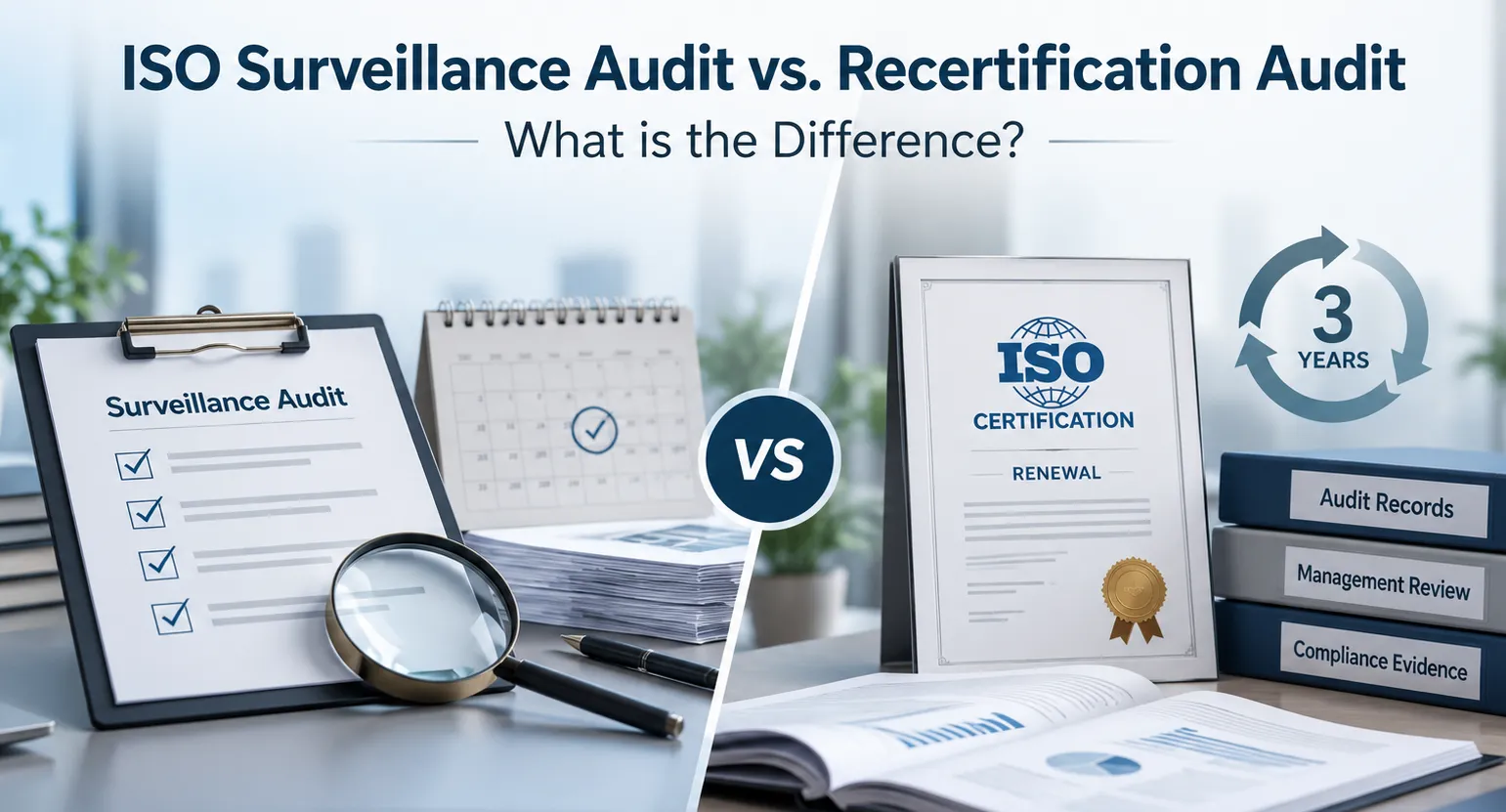
Ans) Certificates are typically valid for three years with annual surveillance. Recertification maintains the system's effectiveness, ensuring continued returns through sustained improvements.
Ans) Reputable certification bodies provide online verification tools. Always confirm accreditation status to ensure the certificate's credibility and value.
Ans) Not immediately, but it sets up systems for measurable gains in efficiency and customer satisfaction. The strongest ROI comes from treating the standard as a continual improvement framework rather than a one-time achievement.