Case Studies: How ISO 27001 Protected Tech Companies from Cyber Risks
Real-world style examples showing how ISO 27001 (ISMS) helps tech firms reduce cyber risk, strengthen controls, and build long-term trust.
Fewer incidents: Controls and monitoring reduce the likelihood and impact of breaches.
Client confidence: A certified ISMS signals mature security practices to buyers and partners.
Operational resilience: Incident response and continuity planning improve recovery and stability.
In today’s digital world, tech companies face constant cyber threats like ransomware, phishing, data leaks, and insider risks. Implementing an Information Security Management System (ISMS) through ISO 27001 certification (including the updated ISO 27001:2022) gives organizations a structured, risk-based approach to protect sensitive data, systems, and operations.
This blog shares practical case studies showing how tech firms strengthened their defenses with ISO 27001 certification. You’ll see real-world style examples of risk mitigation, without specific locations or figures. Learn how ISMS certification helps build resilience, trust, and long-term security.
Table of Contents
- Understanding ISO 27001 in the Tech Sector
- Case Study 1: A Growing SaaS Startup Prevents Major Data Breach
- Case Study 2: Software Development Firm Mitigates Ransomware Threat
- Case Study 3: Fintech Tech Company Builds Client Trust After Near-Miss
- Case Study 4: Cloud-Native Tech Firm Handles Insider and External Threats
- Common Cyber Risks in Tech Companies and ISO 27001 Mitigations
- Step-by-Step Guide: How to Obtain ISO 27001 Certification
- Best Practices for Successful ISO 27001 Implementation in Tech
- Why ISO 27001 Matters More Than Ever for Tech Companies
- Conclusion: Start Your ISO 27001 Journey Today
- Frequently Asked Questions (FAQs)
Understanding ISO 27001 in the Tech Sector
ISO 27001 is the global standard for establishing, implementing, maintaining, and improving an ISMS. It focuses on identifying risks, applying controls from Annex A, and fostering continual improvement.
ISO 27001:2022 updated Annex A controls to 93 (from 114), organized into four themes: organizational, people, physical, and technological. New controls address threat intelligence, cloud services, data leakage prevention, and secure coding—highly relevant for tech companies handling code, client data, and cloud infrastructure.
Tech firms benefit because the standard requires a risk assessment process tailored to their environment. It covers everything from access controls and encryption to incident response and supplier security.
Case Study 1: A Growing SaaS Startup Prevents Major Data Breach
A mid-sized SaaS company developing cloud-based project management tools faced rapid growth. With more client data stored in the cloud, they worried about unauthorized access and potential leaks.
Challenges Before Certification
- Weak access controls across development and production environments.
- Inconsistent security practices among remote teams.
- Limited visibility into potential data leakage paths.
How They Implemented ISO 27001
The company started with a gap analysis against ISO 27001 requirements. They defined the scope of their ISMS to cover all information assets, including customer databases and source code repositories.
They conducted thorough risk assessments and applied relevant Annex A controls:
- Strengthened access control policies with multi-factor authentication and role-based permissions.
- Implemented data encryption for data at rest and in transit.
- Introduced monitoring tools for detecting unusual access patterns (aligning with data leakage prevention principles).
- Employee training became mandatory, covering phishing recognition and secure coding practices.
Outcomes
During implementation, the team identified and fixed several vulnerabilities before exploitation. When a sophisticated phishing attempt targeted developers, strong awareness programs and incident response procedures (from the ISMS) contained it quickly. No sensitive data was compromised.
Clients noticed the improved security posture, leading to higher renewal rates and easier sales conversations. This case shows how ISO 27001 implementation turns reactive security into proactive protection.
Case Study 2: Software Development Firm Mitigates Ransomware Threat
A software firm specializing in enterprise applications relied heavily on interconnected systems and third-party tools. They experienced increasing ransomware attempts aimed at their development pipelines.
Key Risks
- Unpatched systems and poor configuration management.
- Supply chain vulnerabilities from external vendors.
- Inadequate backup and recovery testing.
ISO 27001 Journey
They engaged ISO 27001 consulting services to build their ISMS. Leadership committed to the process, forming a cross-functional security team.
They applied controls such as:
- Configuration management and secure development practices (newer emphases in ISO 27001:2022).
- Regular vulnerability scanning and patch management.
- Supplier relationship controls to ensure vendors met security standards.
- Business continuity planning with tested backups.
Results
When a ransomware variant hit a similar industry player, this firm remained unaffected. Their segmented networks and rapid response plan (per ISMS) isolated the issue. Regular internal audits helped maintain compliance and catch new risks early.
The certification also improved their ability to win contracts with larger enterprises that require proof of robust information security.
Case Study 3: Fintech Tech Company Builds Client Trust After Near-Miss
A fintech solutions provider handling transaction data faced a social engineering incident that nearly exposed client credentials.
Before ISMS
- Fragmented security policies.
- Limited threat intelligence sharing.
- Inconsistent incident reporting.
Implementation Highlights
They followed the ISO 27001 certification process step-by-step: context establishment, leadership buy-in, risk treatment plan, and Statement of Applicability (SoA).
Key controls implemented:
- Threat intelligence processes to stay ahead of emerging risks.
- People-focused controls like ongoing security awareness training.
- Technological controls for secure authentication and monitoring.
- Clear incident management procedures with defined responsibilities.
Protection in Action
Subsequent phishing and social engineering attempts were detected and blocked. The ISMS enabled quick investigation and communication, minimizing impact. Clients appreciated the transparency and certification badge, which differentiated them in competitive bids.
This example highlights ISO 27001 vs SOC 2 — while both valuable, ISO 27001 offers a broader, certifiable ISMS framework ideal for comprehensive risk management.
Case Study 4: Cloud-Native Tech Firm Handles Insider and External Threats
A company building AI-driven analytics platforms dealt with hybrid threats: potential insider misuse and external probing of their APIs.
Approach with ISO 27001
They updated to the 2022 version during implementation, incorporating new controls for cloud services and data masking where needed.
Controls included
- Strict access rights reviews and logging.
- Data classification and handling policies.
- Physical and environmental security for offices and data centers.
- Regular internal audits and management reviews.
Benefits Realized
Insider policy violations decreased through clear guidelines and monitoring. External attempts were logged and analyzed, improving defenses over time. The continual improvement cycle of the ISMS helped them adapt to new threats like advanced persistent threats (APTs).
Common Cyber Risks in Tech Companies and ISO 27001 Mitigations
Tech firms commonly face:
- Phishing and Social Engineering: Mitigated by people controls and training.
- Ransomware and Malware: Addressed via backups, segmentation, and incident response.
- Data Leaks and Unauthorized Access: Prevented with encryption, DLP measures, and access controls.
- Supply Chain Attacks: Managed through supplier controls.
- Cloud Misconfigurations: Tackled with specific cloud security requirements.
ISO 27001 Annex A controls provide a comprehensive toolkit. Organizations select applicable ones based on their risk assessment.
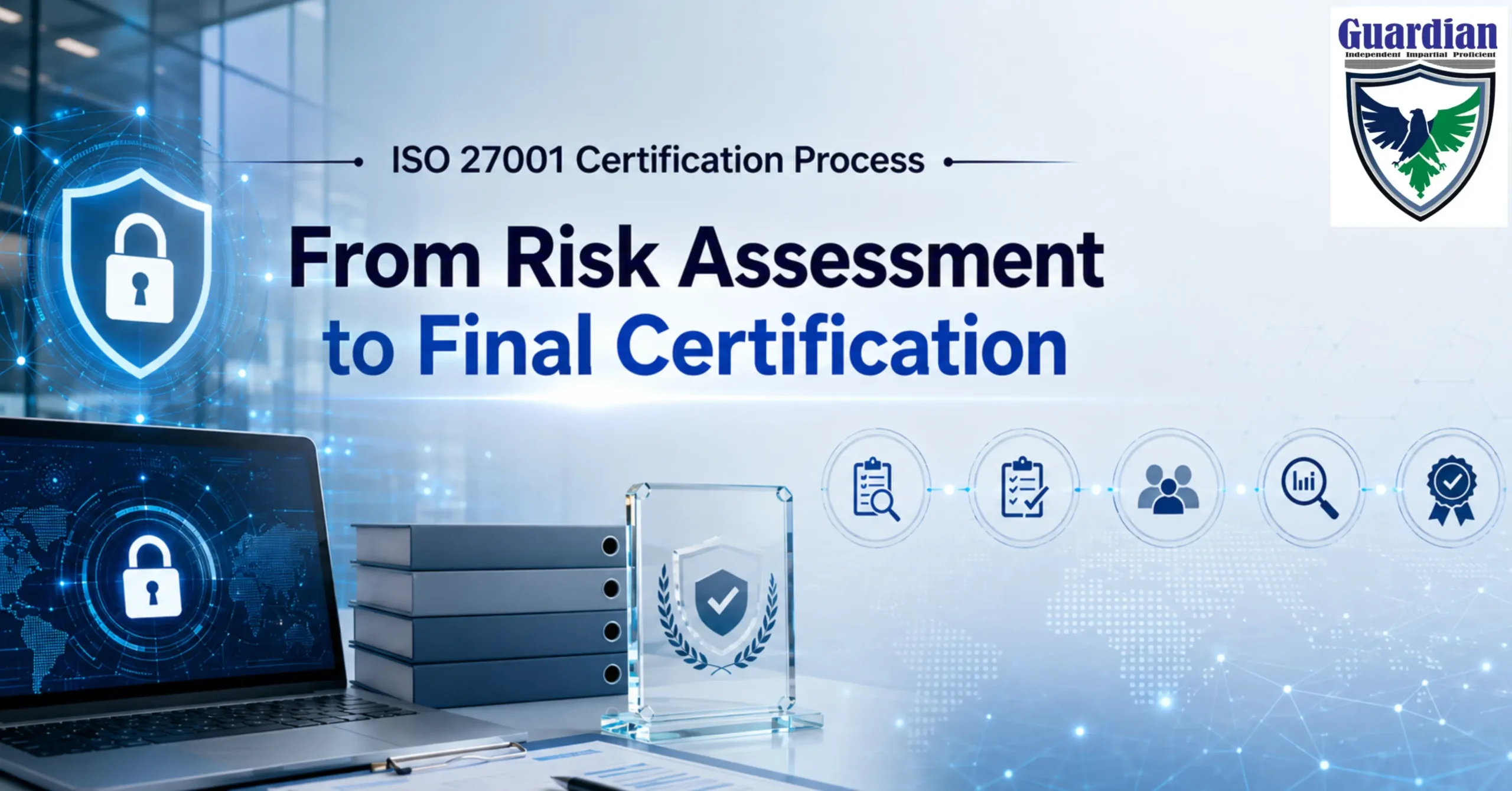
Step-by-Step Guide: How to Obtain ISO 27001 Certification
- Understand Requirements — Learn what is ISO 27001 certification and its clauses.
- Get Leadership Commitment — Essential for success.
- Define Scope and Context — Identify assets, risks, and interested parties.
- Conduct Risk Assessment — Prioritize threats and decide treatment.
- Implement Controls — Develop policies, procedures, and technical measures.
- Train Staff — Build a security-aware culture.
- Internal Audit — Check effectiveness.
- Management Review — Ensure alignment with objectives.
- Choose a Certification Body — Engage accredited ISO 27001 certification body for Stage 1 and Stage 2 audits.
- Certify and Maintain — Celebrate success and continue improving.
Many companies use ISO 27001 consulting services and audit checklists to streamline this.
Best Practices for Successful ISO 27001 Implementation in Tech
- Integrate security into DevOps pipelines (secure coding, CI/CD checks).
- Leverage automation for monitoring and compliance.
- Focus on Annex A controls relevant to cloud and remote work.
- Treat certification as a journey, not a one-time project.
- Regularly review and update the risk register.
Why ISO 27001 Matters More Than Ever for Tech Companies
With evolving threats, ISMS certification demonstrates commitment to security. It helps with client confidence, smoother compliance with various regulations (ISO 27001 vs GDPR relationship shows strong alignment in risk-based approaches), and overall business resilience.
Companies that implement it often report fewer incidents, faster recovery, and better team collaboration on security matters.
Conclusion: Start Your ISO 27001 Journey Today
These case studies illustrate how ISO 27001 certification actively protects tech companies from cyber risks. By building a robust ISMS, organizations move from panic-driven responses to structured, effective defenses.
Whether you’re a startup or an established firm, investing in how to get ISO 27001 certification pays dividends in protection, trust, and competitiveness. Consult experts, use practical guides, and take the first step toward stronger information security.
Frequently Asked Questions (FAQs)
Ans) ISO 27001 is the international standard for an Information Security Management System (ISMS). It helps tech companies systematically manage cyber risks, protect data, and build client trust through proven controls and processes.
Ans) The 2022 update reorganizes Annex A controls into four themes, reduces the total to 93, and adds new ones for threat intelligence, cloud security, and data leakage prevention to address modern risks better.
Ans) Key steps include defining scope, risk assessment, implementing controls, internal audits, management review, and external audits by a certification body.
Ans) It provides controls for incident response, employee training, access management, backups, and monitoring—reducing likelihood and impact of attacks through proactive risk management.
Ans) Yes. Startups can scale the implementation to their size, focusing on high-risk areas. It provides a flexible framework that grows with the business and supports long-term security.