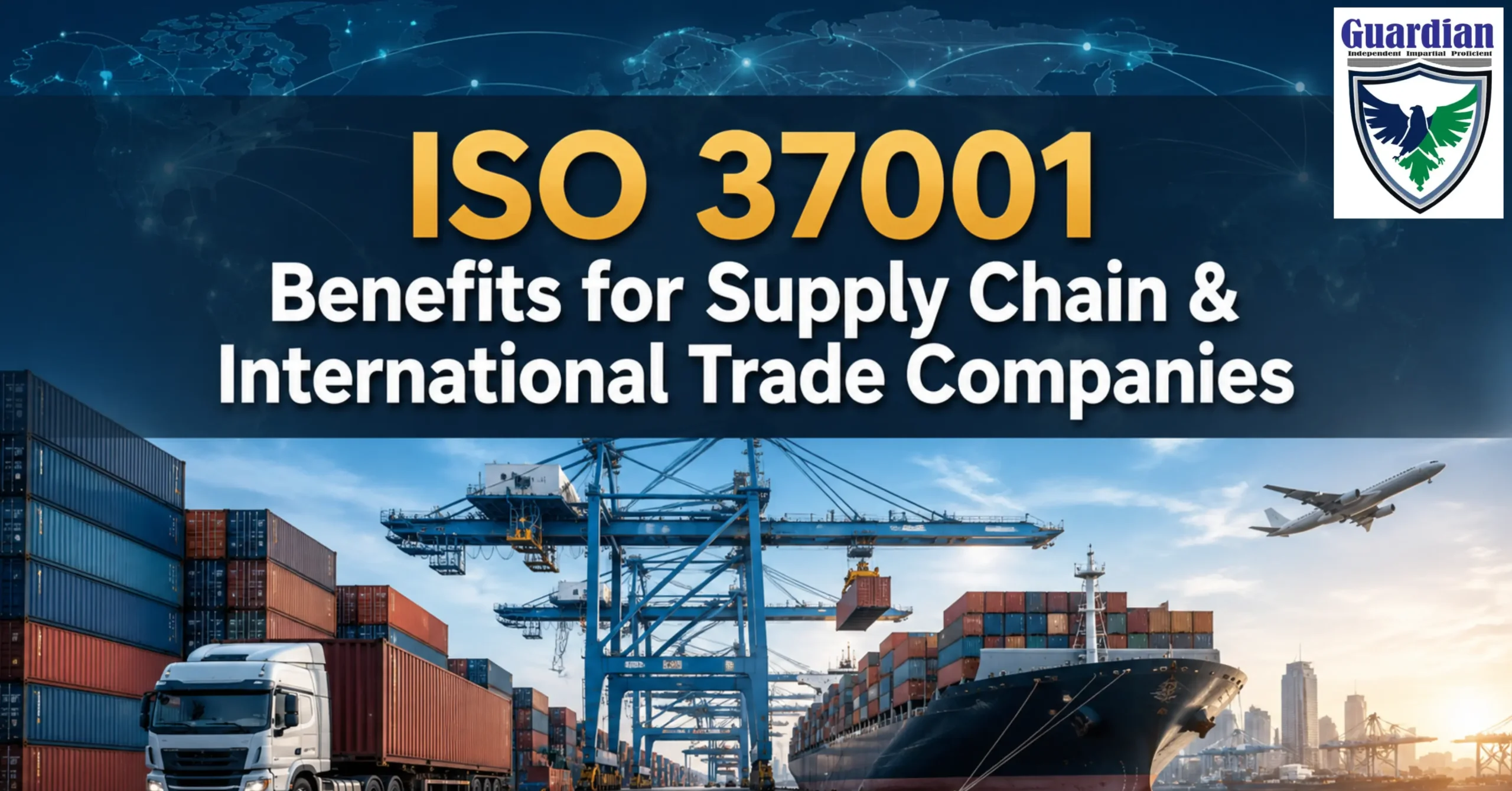
ISO 37001 Benefits for Supply Chain & International Trade Companies
A simple, actionable guide to ISO 37001 (ABMS) benefits, requirements, implementation steps, and certification journey.
Supply chain protection: Strengthens due diligence and controls across third parties and partners.
Trust advantage: Signals integrity to buyers, partners, investors, and tender evaluators.
Operational clarity: Clear procedures reduce confusion and support consistent ethical decision-making.
In today’s global business environment, companies involved in supply chains and international trade face complex challenges. One major risk is bribery and corruption, which can disrupt operations, damage trust, and create serious legal issues. ISO 37001 certification, also known as the Anti-Bribery Management System (ABMS) or anti-bribery certification, offers a practical, internationally recognized framework to tackle these risks effectively.
This standard helps organizations prevent, detect, and address bribery while promoting ethical practices across their operations and extended networks. For supply chain and trade-focused businesses, it strengthens integrity, builds stronger partnerships, and supports sustainable growth. This comprehensive guide explores its benefits, requirements, implementation, and more in simple, actionable terms.
Table of Contents
- What is ISO 37001? Anti-Bribery Management System Explained
- Why Supply Chain and International Trade Companies Need Anti-Bribery Certification
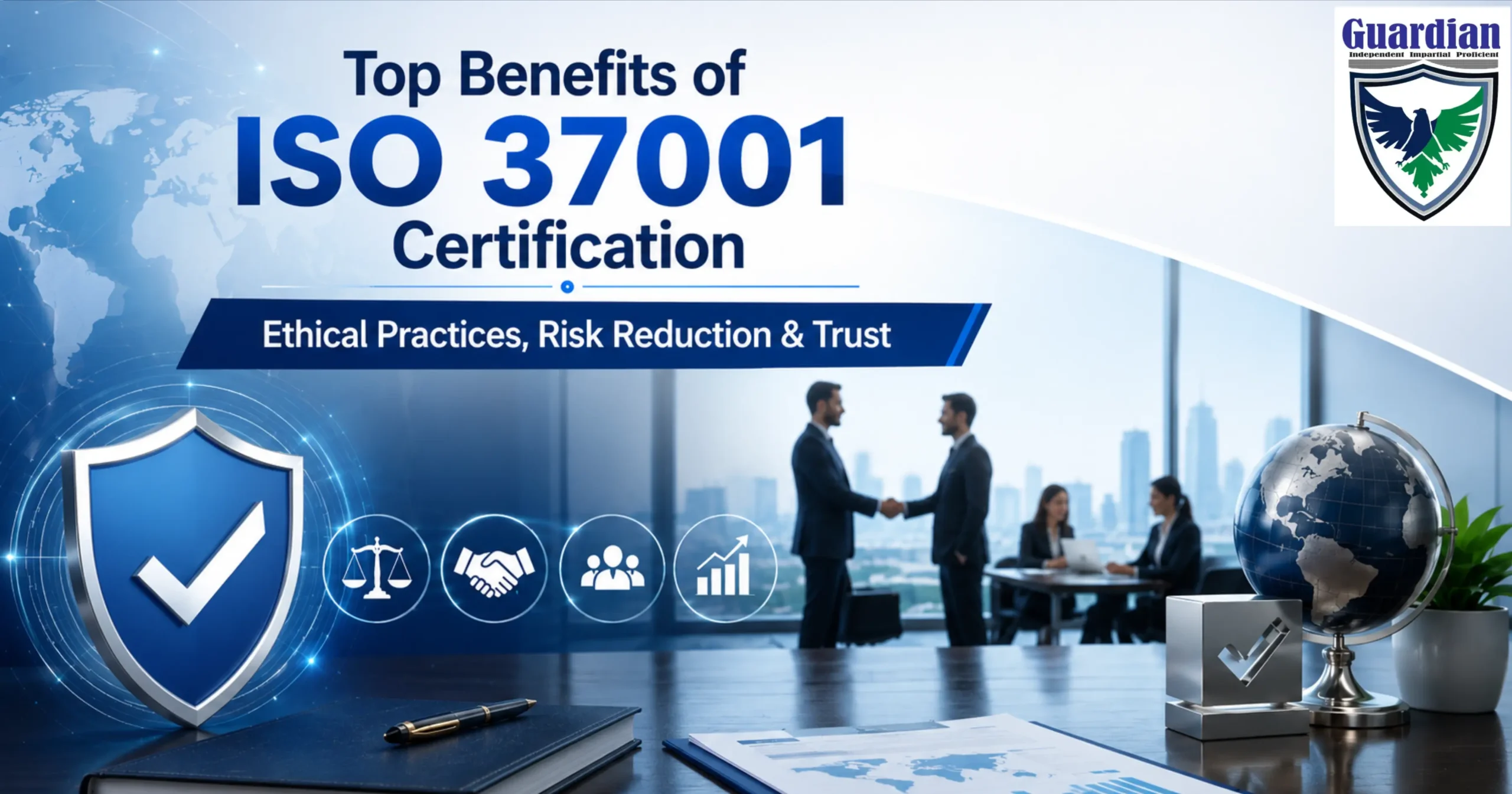
- Top Benefits of ISO 37001 Certification for Supply Chain & Trade Businesses
- ISO 37001 Requirements: What You Need to Know
- How to Implement ISO 37001: Practical Step-by-Step Guide
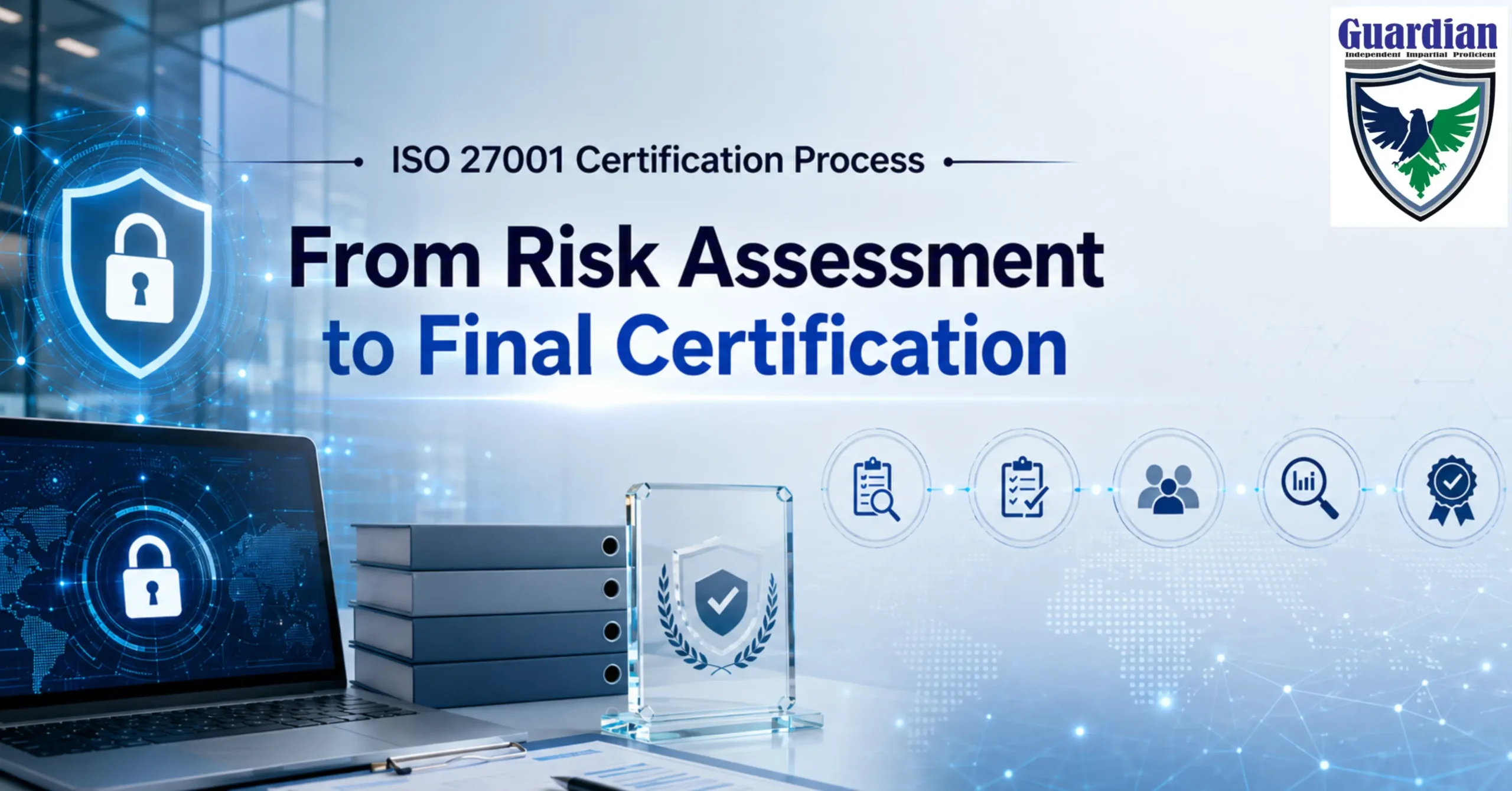
- ISO 37001 Certification Process
- ISO 37001 for Banks, Financial Institutions, and Government Contractors
- Common Challenges and How to Overcome Them
- Measuring Success and ROI
- Real-World Value in Supply Chain Operations
- Frequently Asked Questions (FAQs)
What is ISO 37001? Anti-Bribery Management System Explained
ISO 37001 is an international standard that specifies requirements and provides guidance for establishing, implementing, maintaining, and improving an Anti-Bribery Management System (ABMS). It focuses specifically on bribery, helping companies create systematic controls to minimize risks in their business activities.
The standard covers bribery in various forms, including offering, giving, accepting, or soliciting anything of value to influence decisions improperly. It applies to an organization’s own operations as well as interactions with business associates like suppliers, agents, distributors, and contractors.
Key features include
- Risk-based approach: Measures are proportionate to the specific bribery risks a company faces.
- Leadership commitment: Top management must actively support and promote the system.
- Controls across the value chain: Emphasis on due diligence for third parties and supply chain partners.
- Continual improvement: Regular reviews, audits, and updates to keep the system effective.
The latest version, ISO 37001:2025, builds on the 2016 edition with stronger emphasis on building an anti-bribery culture, better alignment with other management standards, clearer handling of conflicts of interest, and considerations like climate action in the organizational context. These updates make it easier to integrate with existing systems while enhancing overall effectiveness.
For supply chain and international trade companies, this standard is particularly valuable because complex global networks often involve multiple parties across borders where bribery risks can be higher.
Why Supply Chain and International Trade Companies Need Anti-Bribery Certification
Supply chains and international trade involve numerous touchpoints—procurement, logistics, customs, distributors, and joint ventures. Each point can introduce bribery risks that affect timelines, costs, quality, and compliance.
Anti-corruption certification for companies like ISO 37001 helps by:
- Identifying vulnerabilities in supplier selection and contract management.
- Ensuring consistent ethical standards across global operations.
- Reducing the chance of disruptions caused by investigations or scandals.
- Demonstrating commitment to integrity to partners and clients who prioritize ethical sourcing.
Businesses with extensive supplier networks benefit greatly because the standard encourages due diligence on third parties, helping create a more transparent and resilient supply chain.
Top Benefits of ISO 37001 Certification for Supply Chain & Trade Businesses
Implementing an Anti-Bribery Management System delivers practical advantages tailored to the needs of companies handling complex logistics and cross-border transactions.
1. Enhanced Supply Chain Integrity and Risk Reduction
Bribery in the supply chain can lead to substandard goods, delays, or favoritism. ISO 37001 requires robust risk assessments and controls, helping companies spot and mitigate issues early. This leads to more reliable suppliers, fewer disruptions, and stronger overall chain resilience.
2. Improved Trust and Stronger Business Relationships
Partners, clients, and investors prefer working with organizations that demonstrate ethical practices. Anti-bribery certification signals reliability, making it easier to form alliances, secure long-term contracts, and expand trade networks.
3. Better Compliance and Legal Protection
The system helps align operations with anti-bribery laws, reducing exposure to penalties, investigations, or reputational harm. Proactive controls minimize the likelihood of involvement in corrupt practices.
4. Competitive Advantage in International Trade
Many large buyers and tender processes value or require evidence of strong anti-bribery measures. Certification can differentiate a company, opening doors to new markets and opportunities where integrity is a key decision factor.
5. Operational Efficiency and Cost Savings
While initial efforts are needed, long-term benefits include reduced losses from corruption, faster decision-making through clear procedures, and lower insurance or financing costs due to lower perceived risk. Consistent processes also streamline audits and supplier management.
6. Cultural Shift Toward Ethics
The 2025 version particularly stresses developing an anti-bribery culture. Employees at all levels become more aware and vigilant, fostering a workplace where integrity is the norm.
7. Easier Integration with Other Standards
It aligns well with quality, environmental, or compliance management systems, allowing companies to create a unified approach to governance and risk.
ISO 37001 Requirements: What You Need to Know
The standard follows a structured framework with these core elements:
- Context of the Organization: Understand internal and external issues, including bribery risks specific to supply chain and trade activities.
- Leadership: Top management demonstrates commitment, establishes policy, and assigns roles.
- Planning: Conduct bribery risk assessments and set objectives.
- Support: Provide resources, training, and awareness programs.
- Operation: Implement controls like due diligence on business associates, financial controls, and procedures for gifts or hospitality.
- Performance Evaluation: Monitor, measure, audit, and review the system.
- Improvement: Address nonconformities and drive continual enhancement.
These requirements are flexible, allowing small and large organizations to scale them appropriately.
How to Implement ISO 37001: Practical Step-by-Step Guide
Here’s a clear roadmap for how to implement ISO 37001:
- Secure Leadership Buy-In — Get top management committed to resources and policy.
- Define Scope — Decide which parts of the business the ABMS covers (e.g., procurement, supplier management, export processes).
- Conduct Bribery Risk Assessment — Identify high-risk areas like supplier selection or customs clearance.
- Develop Policies and Procedures — Create an anti-bribery policy, due diligence processes, and reporting mechanisms.
- Provide Training and Awareness — Educate employees and relevant third parties.
- Implement Controls — Apply financial checks, separation of duties, and third-party evaluations.
- Establish Monitoring and Auditing — Set up internal audits and performance reviews.
- Seek Certification (Optional but Recommended) — Engage a reputable ISO 37001 certification body for independent verification.
Many companies start with a gap analysis to see what already exists and build from there. An ISO 37001 implementation guide or expert support can speed up the process.
ISO 37001 Certification Process
The typical ISO 37001 certification process involves:
- Stage 1 Audit: Review of documentation and readiness.
- Stage 2 Audit: In-depth assessment of implementation and effectiveness.
- Certification Decision: If successful, the certificate is issued (usually valid for three years with annual surveillance audits).
- Continual Improvement: Ongoing compliance through internal reviews and re-certification.
ISO 37001 audit services from experienced providers help ensure a smooth journey. Choose accredited ISO 37001 certification bodies for credibility.
ISO 37001 for Banks, Financial Institutions, and Government Contractors
Financial institutions benefit from stronger controls on transactions and third-party relationships, reducing fraud risks. For companies bidding on large contracts, ISO 37001 for government contractors demonstrates robust compliance, often giving an edge in evaluations.
Common Challenges and How to Overcome Them
Resource Constraints
Start small and scale; integrate with existing systems.
Resistance to Change
Focus on benefits and provide clear training.
Complex Supply Chains
Prioritize high-risk suppliers first and require proportionate controls from partners.
Measuring Success and ROI
Track metrics like reduced incidents, faster supplier onboarding, improved audit results, and positive feedback from partners. Over time, the investment in ethical compliance often yields long-term savings and growth opportunities.
Real-World Value in Supply Chain Operations
Companies with certified systems often report smoother supplier relationships, fewer compliance issues, and greater confidence when expanding trade activities. Transparent operations build loyalty and attract quality partners who share the same values.
Frequently Asked Questions (FAQs)
Ans) The 2025 version adds stronger focus on anti-bribery culture, harmonization with other standards, clearer conflict of interest management, and climate considerations, making integration easier while keeping core requirements similar.
Ans) No, it is voluntary. However, many organizations adopt it to meet partner expectations, reduce risks, or gain competitive advantages in tenders and contracts.
Ans) It typically takes 6 to 18 months depending on company size, existing controls, and resources dedicated to implementation.
Ans) Yes. The standard is scalable and risk-based, allowing smaller companies to apply proportionate measures without excessive bureaucracy.
Ans) It requires due diligence, risk assessments, and controls for business associates, helping ensure suppliers and partners maintain similar ethical standards.