Real Case Studies: How ISO 9001 Increased Efficiency in Businesses
Practical, anonymized examples showing how a Quality Management System (QMS) improves workflows, reduces waste, and boosts operational control.
Less waste: Reduce rework, scrap, and non-value activities by fixing process gaps early.
Faster flow: Clear roles, templates, and process maps reduce delays and confusion.
Better control: Audits, reviews, and metrics replace guesswork with evidence-based decisions.
In today’s competitive market, businesses constantly seek ways to streamline operations, reduce waste, and deliver consistent quality. Many organizations turn to ISO 9001 certification, the international standard for Quality Management Systems (QMS). The latest version, ISO 9001:2015, emphasizes risk-based thinking, process approach, and continual improvement.
This guide explores real-world examples of how implementing a robust QMS certification has boosted efficiency across various industries. These anonymized case studies highlight practical outcomes without focusing on specific figures that vary widely. The goal is to show how ISO 9001 requirements and a well-implemented system can drive measurable improvements in daily operations.
Table of Contents
- What Makes ISO 9001 Effective for Efficiency Gains?
- Case Study 1: Manufacturing Company – Streamlining Production and Reducing Waste
- Case Study 2: Service-Based Organization – Enhancing Operational Flow and Customer Response
- Case Study 3: Logistics and Supply Chain Company – Optimizing Processes End-to-End
- Case Study 4: Healthcare Support Services – Improving Consistency and Compliance
- Common Patterns Across These Real-World Examples
- How to Maximize Efficiency Gains from Your QMS
- Challenges and How to Overcome Them
- Long-Term Impact on Business Efficiency
- Conclusion: Efficiency as a Competitive Advantage
- Frequently Asked Questions (FAQs)
What Makes ISO 9001 Effective for Efficiency Gains?
ISO 9001 is not just a certificate on the wall. It provides a structured framework that helps organizations define clear processes, assign responsibilities, measure performance, and focus on customer needs. Key elements like leadership commitment, employee engagement, and data-driven decision making turn potential chaos into smooth, repeatable workflows.
Businesses often report better resource utilization, fewer errors, and faster problem resolution after adoption. The standard encourages organizations to look at their operations holistically, identifying bottlenecks that were previously overlooked.
Case Study 1: Manufacturing Company – Streamlining Production and Reducing Waste
A mid-sized manufacturing firm faced inconsistent product quality, frequent machine downtime, and lengthy production cycles. Customer complaints were rising, and internal teams spent too much time fixing issues rather than preventing them.
Before implementation
- Disorganized processes led to material waste and rework.
- Departments worked in silos with poor communication.
- Quality checks happened only at the end of the line, causing delays.
Journey to ISO 9001 certification
The company conducted a thorough gap analysis against the ISO 9001 requirements checklist. They documented key processes, introduced risk assessments, and trained staff on the new quality management system. Regular internal audits became part of the routine.
Key efficiency improvements
- Process standardization: Clear work instructions and checklists reduced variations in output.
- Preventive maintenance: A planned approach to equipment care minimized unexpected breakdowns.
- Root cause analysis: Issues were addressed at the source instead of quick temporary fixes.
- Inventory management: Better planning reduced excess stock and shortages.
Results: Production flow became smoother, defect rates dropped significantly, and lead times shortened. Employees reported less stress and more time for value-added tasks. The organization could handle higher volumes without proportional increases in resources.
This example shows how ISO 9001:2015 turns reactive firefighting into proactive management.
Case Study 2: Service-Based Organization – Enhancing Operational Flow and Customer Response
A service provider delivering project-based work struggled with missed deadlines, scope creep, and inconsistent service delivery. Multiple teams handled similar tasks differently, leading to errors and client dissatisfaction.
Challenges addressed through the QMS
- Undefined roles and responsibilities caused overlaps and gaps.
- Limited tracking of project progress.
- Feedback from clients was collected informally.
Implementation highlights
The organization mapped core processes from client onboarding to project closure. The process approach central to ISO 9001 helped integrate activities across departments. Performance metrics were established to monitor key areas like response time and delivery accuracy.
Efficiency outcomes
- Better resource allocation: Clear expectations reduced duplication of effort.
- Improved communication: Standardized templates and records ensured everyone had the right information.
- Continual improvement culture: Management reviews identified opportunities to refine services.
- Faster decision making: Data supported quicker, evidence-based choices.
Results: Project completion rates improved, rework decreased, and client feedback became more positive. The business could take on more projects with the existing team, boosting overall productivity.
Case Study 3: Logistics and Supply Chain Company – Optimizing Processes End-to-End
A logistics operation faced delays in deliveries, high error rates in documentation, and inefficient routing. Suppliers and internal teams often struggled with miscommunication.
How ISO 9001 helped
The company implemented a QMS focused on the entire supply chain. They defined clear criteria for supplier evaluation, standardized documentation, and introduced tracking mechanisms aligned with the standard.
Efficiency gains
- Supplier performance monitoring: Consistent evaluation reduced poor-quality inputs.
- Documented procedures: Standardized forms and digital records minimized paperwork errors.
- Risk-based thinking: Potential disruptions were identified and addressed early.
- Performance indicators: Key metrics supported better routing and scheduling decisions.
Outcomes: On-time delivery performance improved, operational costs linked to errors decreased, and the team responded more flexibly to changing client demands. The structured system also supported easier scaling during peak periods.
Case Study 4: Healthcare Support Services – Improving Consistency and Compliance
A provider of support services in the healthcare sector needed better control over processes to ensure service reliability and safety. Variations in procedures across shifts created risks.
Implementation focus
The organization strengthened competence and awareness programs and improved documented information aligned with ISO 9001 requirements. Training and alignment across shifts became a priority.
Key improvements
- Standardized protocols reduced variations in service delivery.
- Better record-keeping improved traceability and audit readiness.
- Employee involvement in improvement suggestions increased engagement.
- Management reviews ensured ongoing alignment with objectives.
Results: Service consistency improved markedly, incidents decreased, and staff confidence grew. Resources were used more effectively, allowing the organization to expand services without compromising quality.
Common Patterns Across These Real-World Examples
Across industries, organizations report similar efficiency improvements once ISO 9001 is implemented effectively. While every business is different, recurring themes appear in most successful cases.
Common themes
- Reduced waste: Material, time, and effort waste are identified and removed.
- Fewer errors and rework: Preventive controls and clear procedures catch issues early.
- Better collaboration: Defined roles and communication break down silos.
- Data-driven insights: Metrics replace guesswork and support smarter decisions.
- Scalability: Standardized systems make growth more manageable.
- Employee empowerment: Involvement builds ownership and motivation.
How to Maximize Efficiency Gains from Your QMS
If you want similar results, focus on implementation that is practical and aligned with business needs. The system should support real workflows, not exist as separate paperwork.
Practical actions that help
- Secure leadership commitment: Management must support and participate.
- Involve employees: Frontline teams often identify the best improvement opportunities.
- Focus on processes, not just documents: Procedures should reflect actual work.
- Use technology wisely: Digital tools simplify records and monitoring.
- Conduct regular audits and reviews: These drive continual improvement.
- Align with business goals: Link QMS objectives to efficiency outcomes.
- Choose credible certification: Work with reputable bodies for recognized ISO 9001 certification.
Challenges and How to Overcome Them
Some organizations face early resistance to change or see ISO 9001 as extra bureaucracy. Success typically comes from clear communication, proper training, and focusing on high-impact areas first.
Integrating the system into daily routines rather than treating it as a separate project makes it sustainable. When employees see that the system removes confusion and prevents repeated errors, buy-in improves naturally.
Long-Term Impact on Business Efficiency
Over time, businesses with a mature quality management system often experience compounding benefits. Processes become more agile, improvement becomes easier, and organizations build a stronger reputation for reliability. This supports operational resilience and better market positioning.
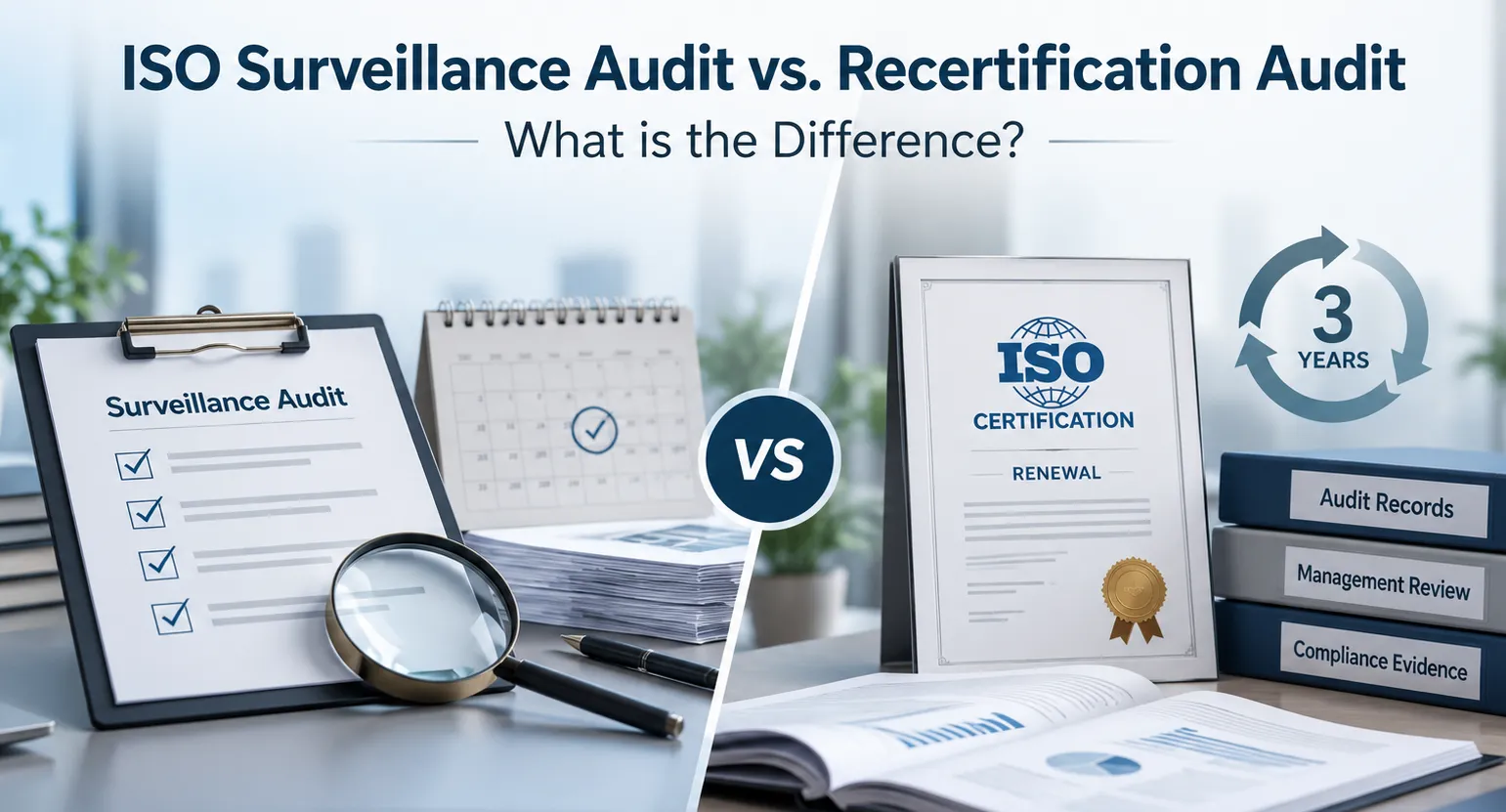
ISO 9001 recertification typically occurs every three years, encouraging regular evaluation and keeping the system relevant.
Conclusion: Efficiency as a Competitive Advantage
These case studies demonstrate that ISO 9001 can transform business operations by strengthening processes, people involvement, and improvement routines. When implemented well, a QMS supports higher efficiency, better consistency, and stronger customer satisfaction.
Whether you operate in manufacturing, services, logistics, or healthcare support, ISO 9001 can help you reduce operational friction, improve control, and build a culture that consistently delivers better outcomes.
If your business is facing inefficiencies, exploring ISO 9001 certification can be a strategic step. The journey requires effort, but the returns often show up in smoother operations and stronger long-term performance.
Frequently Asked Questions (FAQs)
Far far away, behind the word mountains, far from the countries Vokalia and Consonantia, there live the blind texts. Separated they live in Bookmarksgrove right at the coast
Ans) Yes, the standard is flexible and scalable. Small organizations can implement it proportionally to their size and still gain significant efficiency improvements.
Ans) Many businesses notice initial improvements during implementation, with more substantial results within 6-18 months as processes mature.
Ans) Absolutely. Many organizations combine them into an integrated management system for even greater efficiency across quality, environment, and health & safety.
Ans) You can check with the issuing certification body or use online certificate validation tools provided by accredited registrars. Always confirm the certificate's scope and validity period.